AI-Native Engineering: The Blueprint for 10x Faster Development
LTrands Editorial Team
Published April 20, 2026
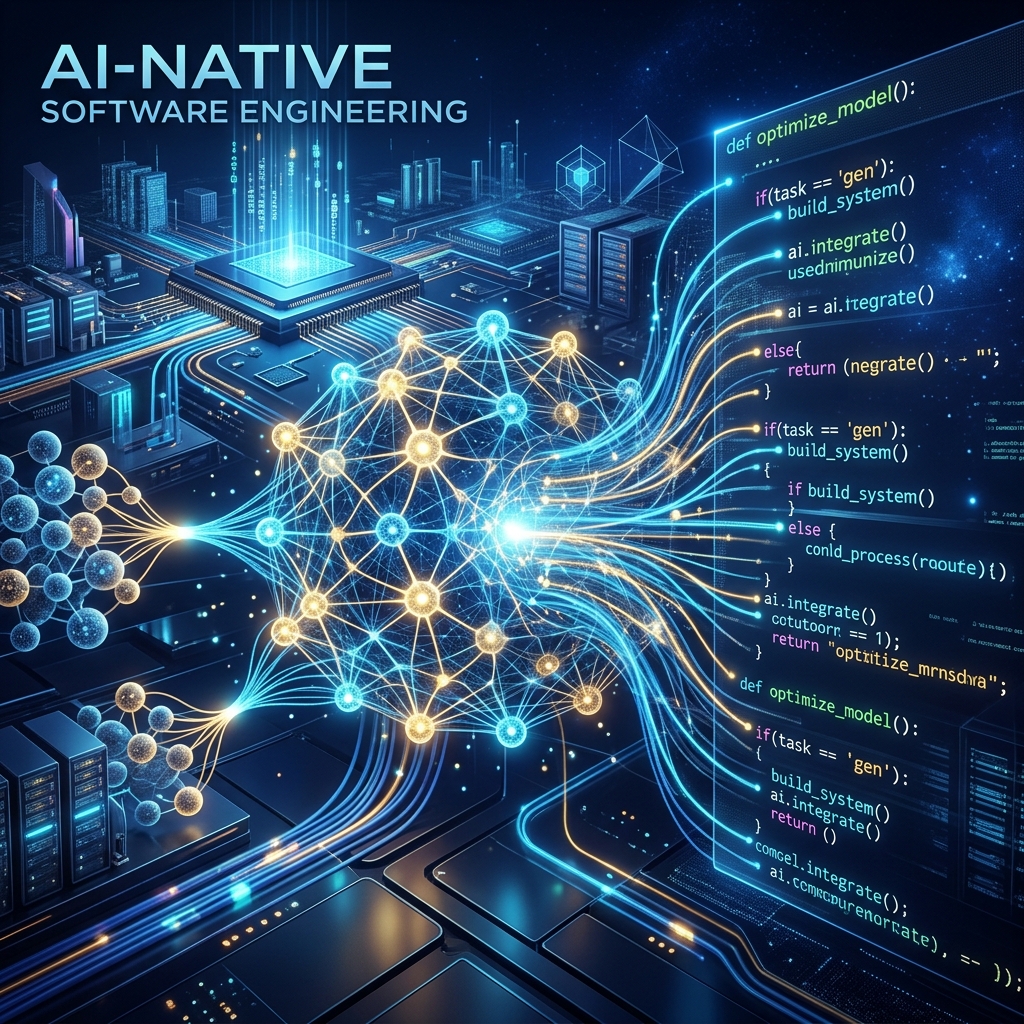
This shift represents a paradigm change as significant as the transition from Waterfall to Agile. We aren't just "using AI"; we have rebuilt our entire engineering methodology around the capabilities of large-scale language models and autonomous agents.
From Agile to AI-Native: What Changed?
Traditional Agile focused on iterative cycles and human collaboration. AI-Native engineering focuses on augmented acceleration. By integrating AI at the cellular level of our projects, we achieve results that were previously considered impossible.
1. Requirement Synthesis (The 10x Speedup)
Traditionally, gathering requirements and drafting specifications could take weeks. Our AI-native workflow uses specialized agents to synthesize stakeholder needs into technical blueprints in hours.
- Old Way: Multiple meetings, manual PRDs, weeks of back-and-forth.
- AI-Native Way: Stakeholder interviews transcribed and synthesized by AI, technical specs generated instantly for human review.
2. The Code Scaffolding Revolution
We no longer write "boilerplate" code. Whether it's setting up complex database schemas or configuring cloud infrastructure, our AI engines handle the heavy lifting. This allows our senior engineers to focus strictly on the core business logic and high-level orchestration.
3. Continuous Testing & Predicitve QA
QA is often the bottleneck of software releases. Our AI-native pipeline implements predictive testing:
- Autonomous Bug Hunting: AI agents actively try to "break" the software during the development phase.
- Regression Efficiency: AI identifies which tests matter most based on the latest changes, cutting CI/CD times by up to 80%.
The Economics of Efficiency: 5x Cheaper
Why does this matter for your bottom line? Efficiency isn't just about speed; it's about cost-effective innovation.
| Feature | Traditional Development | LTrands AI-Native |
|---|---|---|
| Development Speed | 1.0x (Baseline) | 10.0x |
| Human Resource Cost | High (Scales with size) | Optimized (High density) |
| Time to Market | 3-6 Months | 3-5 Weeks |
| Quality Assurance | Manual/Reactive | Predictive/Proactive |
By reducing the manual hours required for standard tasks, we reduce the total project cost by 5x. This allows our clients to experiment more, iterate faster, and dominate their respective markets.
Security and the Human Element
We hear it often: "Is AI-generated code secure?"
The answer is Yes—when verified by experts. Our process is strictly "Human-in-the-Loop." Every line of code generated or optimized by AI undergoes a rigorous peer-review process by our senior architects. We combine the speed of AI with the professional judgment of human veterans.
Conclusion
The future of software is not just about writing code; it’s about managing intelligence. LTrands Technologies is at the forefront of this revolution, delivering premium software at speeds and costs that were unheard of just two years ago.
Ready to build 10x faster? Contact us today for an AI-native project assessment.
LTrands Editorial Team
Our editorial team consists of expert software architects, fintech analysts, and AI researchers dedicated to exploring the intersection of technology and business efficiency.